What Is TIS (มอก.) and Which Products Need It?
TIS (Thai Industrial Standards, known in Thai as มอก.) are product standards set by the Thai Industrial Standards Institute (TISI) to make sure products are good quality and safe to use. This article explains the types of TIS marks and the product groups you should check against mandatory standards.
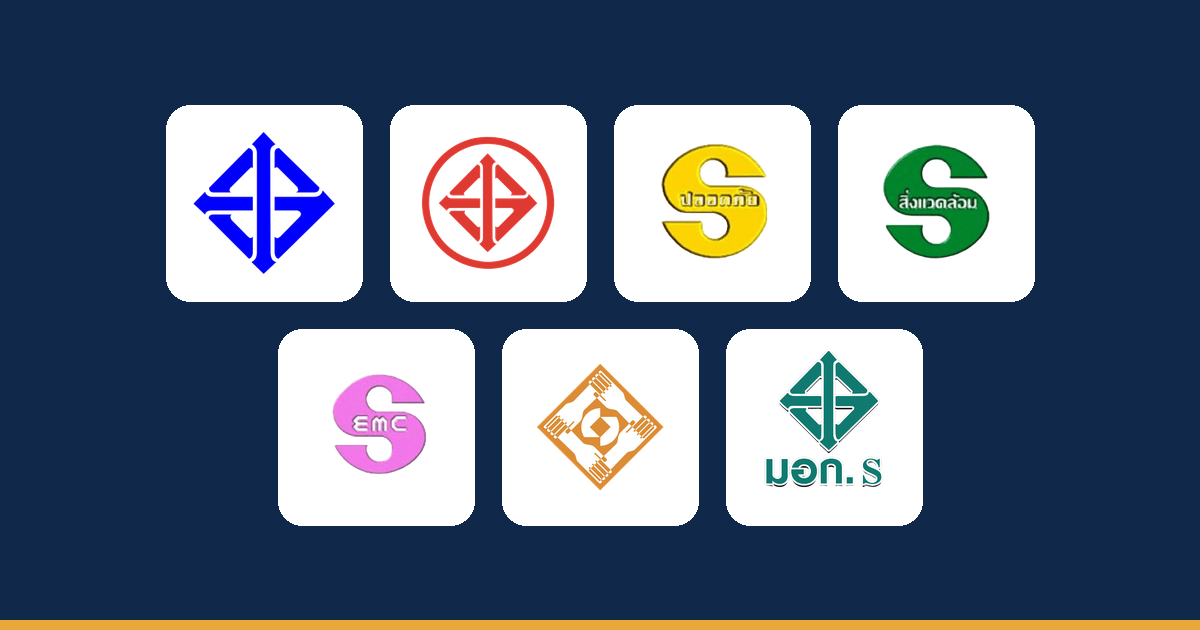
What is TIS?
TIS stands for Thai Industrial Standard (มอก. in Thai). These standards are set by the Thai Industrial Standards Institute (TISI) to ensure products are of good quality and safe to use. Each standard specifies requirements such as product properties, the materials used in manufacturing and quality test methods. TIS covers many types of products, including electrical appliances, construction materials and everyday consumer goods.
Some products must carry a mandatory TIS mark as required by law, to protect consumers and build confidence in product quality. Put simply, the TIS mark shows that a product has been certified against the relevant standard, helping consumers trust its quality and safety.
Types of TIS marks

1. General Standard Mark
The general standard mark is used by TISI to certify that a product meets the quality requirements of the relevant standard. Manufacturers can apply for it voluntarily, even if the product is not in a group that legally requires TIS certification. Holding this mark builds credibility and gives consumers more confidence when buying.
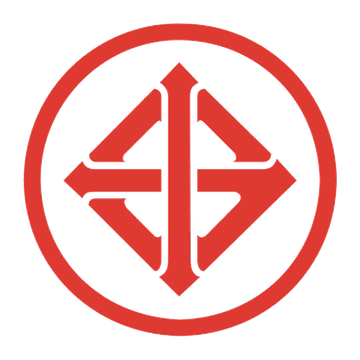
2. Mandatory Standard Mark
The mandatory standard mark applies to products that the law requires to comply with the relevant standard, in order to control quality and safety — for example electrical wires, children’s toys, motorcycle helmets and certain steel products. Manufacturers and importers must meet the applicable requirements, including obtaining certification and displaying the mark correctly as required by law, to reduce risks to life, property and consumer safety.

3. Safety Standard Mark
This mark certifies that a product meets defined safety criteria. It is commonly found on products that may pose risks during use, such as certain electrical appliances and equipment. Standards in this category can be either mandatory or voluntary, so manufacturers and importers should check the requirements for each product carefully before producing or importing it.

4. Environmental Standard Mark
This mark relates to product properties that reduce environmental impact and promote efficient use of resources — such as saving water, saving energy or reducing emissions. Energy-efficient electrical appliances are one example. Products in this group may fall under mandatory or voluntary standards, depending on the requirements for each product type.
5. Electromagnetic Compatibility (EMC) Standard Mark
Electromagnetic Compatibility (EMC) standards cover a product’s ability to work alongside other electrical or electronic equipment without causing electromagnetic interference above defined limits, while still operating normally. Products that may be affected include IT equipment, communication devices and electrical appliances with electronic circuits. Certification requirements depend on the product type and the applicable standard.

6. Thai Community Product Standard Mark (มผช.)
The Thai Community Product Standard mark (มผช. in Thai) certifies the quality of products developed or made by community enterprises. It aims to raise product quality, build consumer confidence and improve market competitiveness, helping local producers meet defined quality criteria and add value to community products.

7. Industrial Standard S Mark (มอก.S)
Industrial Standard S (มอก.S) was created to support small businesses, SMEs and service providers in improving the quality of their products and services to meet requirements suited to their business. Certification increases credibility and creates competitive opportunities in both domestic and international markets. Businesses must follow the defined certification criteria.
Which products fall under mandatory TIS?
Because some products can affect user safety if they are poor quality or substandard, mandatory standards help ensure consumers receive quality products and help control the standards of both locally made and imported goods.
Many types of products require mandatory TIS. Examples of product groups you should check include:
1. Electrical appliances and electronics
These products may pose risks of electric shock, short circuits or fire if they are substandard. Examples include electrical wires, power strips, fans, hair dryers, refrigerators, air conditioners and rice cookers.
2. Vehicles and automotive parts
Some parts are directly related to driving safety and, if substandard, can increase the risk of accidents. Examples include motorcycle helmets, car tyres and automotive safety glass.
3. Construction materials
Poor-quality construction materials can affect the strength and safety of buildings and structures. Examples include steel reinforcing bars, cement and PVC pipes.
4. Toys and children’s products
Children’s safety is the priority for this group, including risks from hazardous chemicals, small parts or components that may cause injury. Examples include plastic toys, modelling clay and certain plastic building blocks.
5. Gas and safety equipment
Some products must meet quality and safety requirements to reduce the risk of leaks or malfunction. Examples include LPG cooking gas cylinders and fire extinguishers.
Good to know
The examples above do not mean every product in each group always requires mandatory TIS. Manufacturers and importers should check the product type, technical details and the standards that apply directly to their product before manufacturing or importing.
Not sure whether your product needs TIS?
Send us your product details and our team will check which TIS requirements apply — and where you should start.